Fatekeeper Lore Guide: Solace, Underdwellers, and What Is Confirmed
A source-aware, spoiler-light guide to the world behind Fatekeeper, with clear lines between official setting details, useful interpretation, and claims that are still unverified.

The short answer
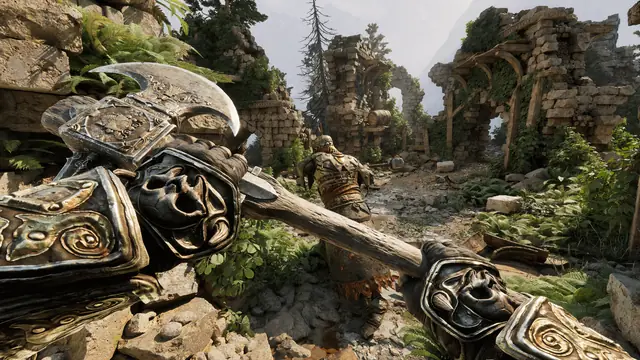
Fatekeeper takes place in Solace, a handcrafted archipelago shaped by old disasters, buried histories, and the return of people known as the Underdwellers. The player is a Druid who must survive a focused journey while deciding how much of the world to investigate. Official material confirms the setting, broad environment types, reactive combat, magic, relics, and exploration rewards; it does not confirm every named region, faction history, ending, or future Early Access story beat. Read this page as a reliable setting framework, then treat new in-game discoveries as updates rather than filling gaps with invented canon.
The setting
Solace is a handcrafted world, not a procedural open world
The official world page calls Solace an archipelago in the heart of a vast ocean. Its geography is deliberate, compact, and built to reward players who leave the most obvious route.
Solace is the clearest starting point for understanding Fatekeeper lore. The official description presents a surface world of boreal forests, glacial valleys, roaring rivers, coves, and mountains that rise from the sea to snow-capped peaks. The word handcrafted matters: locations are placed with intention, so a ruin, narrow path, or strange landmark can carry both a gameplay purpose and a piece of history. That does not make the game an open-world sandbox. The story follows a focused path, while optional exploration adds hidden lore, relics, and unexpected encounters around that path.
The old history
The Underdwellers connect Solace to a buried past
The official lore describes people who lived beneath the mountains for generations before reaching the surface. Their arrival makes Solace feel discovered, damaged, and culturally layered at the same time.
The Underdwellers are one of the most useful confirmed anchors in the Fatekeeper setting. Official text describes them as a people who had been trapped beneath the mountains and eventually reached the surface. Their first view of Solace is framed as an overwhelming encounter with sky, green shores, rivers, and peaks. That perspective gives the world a second history: the surface is not simply a backdrop for the player's quest, and the underground is not merely a dungeon layer. Both spaces preserve memories of movement, isolation, and survival.
- Treat the Underdwellers as a confirmed people and historical perspective, not as a complete faction spreadsheet.
- Separate what the official text says from theories about why the mountains changed.
- Use underground locations to discuss memory and survival before assigning unverified names.
- Mark any new character or relic claim with its update, trailer, or in-game source.
The player character
What the Druid and Fatekeeper role means in practice
Fatekeeper's protagonist is defined through responsibility, combat choices, magic, and exploration rather than a fully documented class roster.
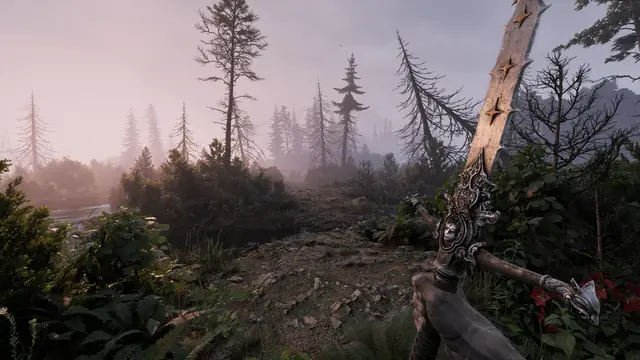
Public material presents the player as a Druid moving through a dangerous world with a role tied to protection, balance, and the consequences of old powers. The exact biography is still developing, so a careful Fatekeeper lore guide should avoid inventing a complete origin story. What is clear is the player's position between systems: sword-and-sorcery combat, spell precision, equipment, relics, and exploration all shape how the character responds to Solace. A build choice is therefore also a way of expressing what the player believes is safe, necessary, or worth preserving.
| Evidence in play | What it supports | What it does not prove |
|---|---|---|
| Reactive melee and enemy patterns | The Druid must observe and adapt | A fixed universal parry frame or hidden class rule |
| Spells, relics, and gear | The player can solve problems through different roles | A confirmed list of spell schools or final meta builds |
| Handcrafted routes and ruins | Exploration can reveal context | That every landmark has a solved lore answer today |
Reading the world
How to look for Fatekeeper lore while exploring
Use a repeatable observation method so that discoveries remain useful even when Early Access changes the route or adds new context.

Start with the difference between a fact and a clue. A fact is something the game, official site, or a dated developer update states directly. A clue is an object, layout, enemy behavior, or line of dialogue that invites an interpretation. Both are valuable, but they should be written differently in a wiki. For example, a ruined sanctuary is a confirmed environment type; saying which ruler destroyed it is a theory until a source names that ruler. This distinction keeps a Fatekeeper lore page useful for players who want atmosphere and for researchers who want a clean source trail.
- Anchor the route. Write the direction from a safe hub or recognizable landmark.
- Describe the evidence. Separate architecture, dialogue, item text, enemy behavior, and your own interpretation.
- Tag the spoiler level. Put a story reveal after a clear warning and keep the first answer useful without it.
- Date the observation. Early Access changes can move enemies, objectives, or available rooms.
- Link the practical page. Send combat questions to the parry, enemies, weapons, or builds guide instead of repeating them.
Evidence boundary
Confirmed details versus attractive but unverified claims
A good lore guide is transparent about what is known, what is inferred, and what should wait for an official update or playable evidence.
Search results already contain pages that sound authoritative while naming locations, endings, characters, or systems that do not appear in the official sources checked for this guide. That is a normal risk for a new Early Access game: one speculative page can be copied until a detail looks like common knowledge. The safest response is not to repeat the claim with a softer adjective. Record the source boundary, use the confirmed world framework, and invite a dated correction when the game actually establishes a detail.
| Claim type | Use now | How to label it |
|---|---|---|
| Official world description | Solace geography, handcrafted design, Underdwellers | Confirmed by official source |
| Dated gameplay observation | A route, enemy behavior, or visible object | Observed in a named build or recording |
| Interpretation | Why ruins or relics might matter | Reading or theory, not settled canon |
| Copied fan claim | Invented region or ending with no source | Do not present as fact; exclude or flag |
Keeping the guide current
Early Access limits are part of the lore answer
The story is not finished, and the world page does not promise a complete map or final explanation. A careful guide makes that uncertainty visible instead of hiding it.
Early Access changes the way a lore article should speak. The official Steam description and world material provide a strong setting frame, but they do not turn every future plot point into a known fact. New regions may add context to the Underdwellers, change how a relic works, or clarify what the Druid is protecting. A sentence such as “current official material confirms” is more useful than a permanent-sounding declaration, because it tells a reader where the evidence stops and where an update may begin.
- Use “current official material” for claims that may change during Early Access.
- Keep a dated change note when a route, name, or story detail is updated.
- Do not promote a fan theory to canon because it appears on several copied pages.
- Link practical combat or route questions to the dedicated wiki pages below.
- Invite source-backed corrections rather than silently replacing an older claim.
Fatekeeper lore FAQ
What is the world of Fatekeeper called?
Official Fatekeeper material calls the world Solace, an archipelago with handcrafted forests, valleys, rivers, mountains, caverns, and sanctuaries.
Who are the Underdwellers?
They are a people described in the official setting as having lived beneath the mountains before reaching the surface. Their history connects underground survival with the wider story of Solace.
Is Fatekeeper lore complete in Early Access?
No. The official setting is clear in broad terms, but the full story, map, and many character or ending details can change as Early Access develops.
Are every named Fatekeeper location on fan wikis real?
No. Verify a location against official material or dated in-game evidence. This guide avoids repeating attractive names that were not confirmed by the sources checked.
Where should I read practical Fatekeeper guides next?
Use the beginner guide for the first hour, the map page for route notes, the parry and enemies pages for combat, and the builds page for gear and spell decisions.
Sources and update boundary
These sources support the broad setting claims. They do not replace a current in-game check for Early Access details.
- Fatekeeper — World of Solace — Official world description; checked November 5, 2026.
- Fatekeeper Lore Part I: Solace and the Underdwellers — Official Steam developer material for the setting and buried history.
- Fatekeeper on Steam — Official store context for the current Early Access game.