Fatekeeper parry timing guide
Fatekeeper Parry Guide: Timing, Practice, and Safe Counters
A source-aware guide to reading melee attacks, practicing a deliberate parry, and deciding when a block or dodge is the safer answer. No unverified frame counts or universal button bindings.
Steam describes reactive melee combat. GameSpot reports that a perfectly timed parry stuns an enemy; exact input timing and weapon-specific windows are not published in the sources checked.

The short answer
A practical Fatekeeper parry guide starts with one verified result: a successful parry can stun an enemy and create an opening, but timing matters more than holding a button. Watch one committed attack, learn its wind-up and forward motion, attempt one deliberate response, then use the recovery to land a short counter or regain space. If you cannot read the move, if several enemies are closing in, or if a mistake would push you into a hazard, use a block, a step back, or a dodge instead.
Start with the confirmed result
Fatekeeper Parry Guide: What the action does
Use the parry to interrupt a readable melee attack and earn room to act; do not treat it as a guaranteed answer to every enemy or animation.The useful, verifiable result is straightforward: GameSpot says that a perfectly timed parry stuns an enemy and lets you deal damage during the opening. That makes the action valuable for players who can observe an attack and respond on purpose. It does not mean every enemy, spell, environmental hit, or multi-part move can be parried. Check what the current encounter actually permits. That confirmed benefit is the foundation of this Fatekeeper parry guide.
Fatekeeper is in Early Access, and Steam describes reactive melee and distinct enemy patterns, but it does not specify a universal frame window. Treat timing advice as an observation method, not a promise that every weapon or patch behaves alike.
- A successful parry can create a stun and counter opportunity.
- This guide does not claim a fixed frame count or one input for every setup.
- Early Access balance and enemy animations can change.
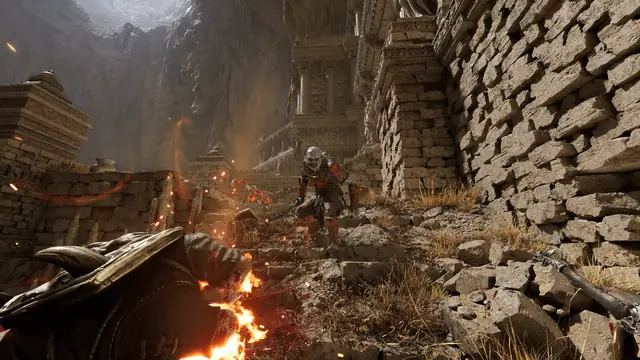
Choose the response that fits the situation
Parry, block, or dodge?
A parry has a high reward when you recognize a committed attack. Blocking and movement are useful when the read is uncertain or the arena is unsafe.These actions solve different problems. A parry is an attempt to interrupt an attack with accurate timing. A block is a steadier way to avoid taking a direct hit when there is not enough information to commit to the parry. Dodging or stepping away changes your position and can clear danger, though GameSpot notes that dodging uses more stamina.
| Response | Use it when | What to watch | Next safe action |
|---|---|---|---|
| Parry | One melee attack is readable and you have room to react. | The committed part of the attack, not just the enemy standing nearby. | Take a short counter after the stun, or reset your spacing. |
| Block | The attack is coming but its timing is unclear. | Your stamina and whether another enemy can attack from the side. | Release pressure when the hit is over; do not hold guard without a reason. |
| Dodge or step back | You need to clear a line, avoid a hazard, or create space. | The direction you move and the stamina needed for your next action. | Re-center before attacking or casting. |
| Reposition | Several threats overlap or you cannot identify the next hit. | Walls, drops, narrow routes, and open space behind you. | Separate the group, then read one attack at a time. |
Read an attack before responding
How to read Fatekeeper parry timing
Learn the shape of a move in stages. The visible animation is evidence; a memorized universal timer is not.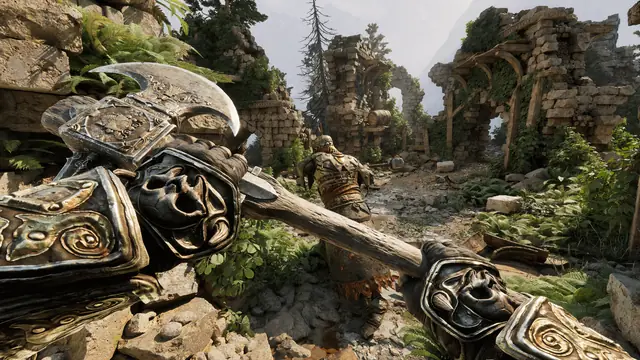
A Fatekeeper parry is easiest to study when you watch an enemy complete one attack without trying to win the exchange. Notice where the move begins, when the body and weapon commit forward, and what the enemy does after the strike. The best cue is the one you can recognize consistently in that specific encounter. Do not copy a timing claim from a different enemy or assume a spell uses the same rules as a melee swing.
For practice, shorten the decision: pick one attack and attempt one response. If it succeeds, note the cue and space for a follow-up. If it fails, record whether you acted during the wind-up, after impact, or while another move hid the animation.
Keep your camera and distance steady at first. Changing position, turning, and attacking together makes the result harder to read. If the enemy has multiple swings, identify which hit you are testing before trying again.
Choose one readable move
Practice against a single enemy and leave enough space to retreat. Avoid testing beside a ledge, fire, or a group that can interrupt your observation.
Watch one complete animation
Identify the wind-up, the committed forward action, and the recovery. Do not spend the first attempt attacking through the observation.
Attempt one deliberate parry
Use the current control shown in your game settings. If you are unsure which action is bound, check controls instead of copying a key from another player's setup.
Read the result before retrying
After a stun, choose a short counter or reset. After a miss, change one cue or spacing variable rather than repeatedly tapping the same input.
Build a repeatable habit
A safe parry practice plan
Use short, controlled attempts. The goal is to recognize one attack and make a good follow-up decision, not to parry every action in a fight.Use this parry guide in an encounter you can leave or restart without losing a long route. Keep one enemy in view, use a familiar weapon, and begin with enough health and stamina to recover from a miss. If the game provides a training area or a low-pressure enemy, use it; do not assume a particular room exists in every build.
Stop when the cue is no longer clear. Spell effects or nearby threats can hide an attack; blocking or retreating is the right choice when it prevents a bad trade.
One move, no counter
Watch the same attack several times and name its visible wind-up and recovery. Do not add a damage goal; this isolates the animation you need to read.
One parry attempt
Try a single deliberate response to that move. If it fails, step away, reset the encounter, and change only your timing cue or starting distance.
One safe follow-up
After a confirmed stun, use one quick action only when the enemy is open and the space is clear. Otherwise take the opening to restore distance.
Use misses as information
Common parry problems and fixes
A failed attempt does not prove that the mechanic is broken. First remove uncertainty about the move, control, camera, and surrounding threats.| What happened | Likely issue to check | Next attempt |
|---|---|---|
| The hit lands before your response | The chosen cue may be too late, or the move may be faster than the last one you observed. | Watch the full move again and test an earlier visible commitment. |
| You get hit while waiting | You may be reading the enemy from too close or holding still in a dangerous lane. | Create more space first; use a block or retreat while learning. |
| The parry succeeds but you take another hit | A second enemy or another part of the attack may still be active. | Counter briefly only after checking the full arena and recovery. |
| The action does not trigger | The control may differ from a guide, or the input may be interrupted. | Check current bindings and repeat with a clear, unblocked input. |
When a Fatekeeper parry misses, confirm the enemy, move, starting distance, and current control binding before changing weapons. A guide may show another layout or an older patch.
With several enemies, prioritize space. A parry against one target may not protect you from another; separate the group before returning to a timing drill.
Keep patch-sensitive details separate
What this guide does not claim
The available sources confirm the outcome of a well-timed parry, but not a universal input table.Steam's Early Access description confirms reactive melee and says enemy patterns matter. GameSpot describes a perfectly timed parry as a stun opportunity and notes the stamina cost of dodging. Neither source publishes frame data, an exact parry duration, a complete enemy-by-enemy table, or a binding that fits every control layout.
Use the game's current settings and patch notes for controls and changes. If a future update changes animations, stamina, or enemy behavior, repeat the observation drill. This Fatekeeper parry guide remains useful as a decision process, but any timing detail tied to one build should be checked again before it is treated as permanent.
Before trusting a precise timing claim
Look for a current-build recording or official patch note that names the enemy, move, weapon, and control layout. Without those details, treat exact frame counts and weapon-specific windows as unverified.
Fatekeeper parry FAQ
Can you parry in Fatekeeper?
GameSpot reports that a perfectly timed parry can stun an enemy and create an opening. The exact timing and which attacks allow it can vary by move and build, so test the current encounter.
How do you time a parry in Fatekeeper?
Watch one complete melee attack, identify its committed motion, and make one deliberate attempt. Use the result to adjust your cue; the sources checked do not provide a universal frame count.
Is parrying better than dodging?
A parry can create a counter opportunity when you can read a single attack. GameSpot notes that dodging uses more stamina and is effective for getting out of danger. Use movement when you need space or cannot read the attack.
Should I block while learning to parry?
Yes. If the attack cue is unclear or a miss would put you at risk, use a block or retreat while you learn. A safe defense is better than forcing a parry attempt in a bad position.
Which key performs a parry?
Check the active control settings in your game. Key bindings can differ by layout and can change, so this guide does not assign one universal key.
Do all Fatekeeper enemies use the same parry timing?
Do not assume they do. Enemy animations and attack sequences differ, and the sources checked do not provide a complete timing table. Learn one move at a time and re-check after updates.