Fatekeeper beginner guide
Fatekeeper Beginner Guide: What to Do in Your First Hour
Start Fatekeeper with a clear plan: learn how to read melee range, use magic without wasting openings, choose a forgiving early build, inspect gear, and explore the handcrafted world without turning confirmed facts into speculation.
This guide uses official Fatekeeper, Steam, and THQ Nordic information where available. Build and combat advice is conservative because Early Access details can change.
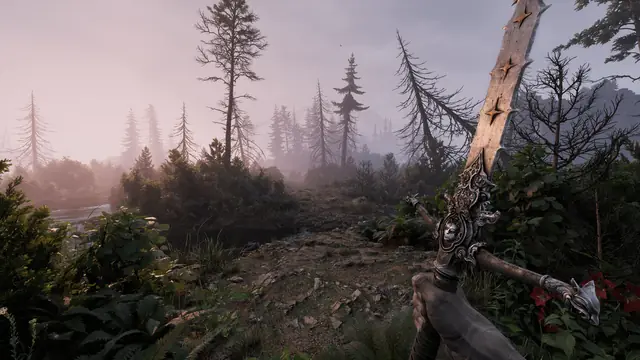
Fast Answer
For the first hour, treat Fatekeeper as a careful first-person RPG rather than a pure action game. Keep one dependable melee option ready, practice blocking and spacing before chasing damage, use spells to create safe openings, compare every weapon and armor piece by playstyle instead of raw numbers, and mark unexplored routes before committing to long fights. The safest beginner path is a balanced melee-magic setup until you know which enemies punish heavy attacks, panic dodges, or low stamina.
First hour
A Safe First-Hour Route
Fatekeeper rewards preparation. The early goal is not to win every fight quickly; it is to learn how enemies telegraph, how your chosen weapon recovers, and when magic creates a safer answer than another swing.Check the official status first
Before relying on any community route, confirm you are using the current Early Access build from Steam or the official Fatekeeper site. Mechanics, balance, enemy placement, and item names may shift during updates, so keep this guide as a decision framework rather than a permanent database.
Spend the first fights learning range
Do not open with greedy combos. Walk enemies into your preferred distance, test one light attack, watch the recovery window, then decide whether to block, dodge, or step back. A beginner who understands spacing will survive longer than a player who memorizes a single damage combo.
Use magic as control, not only damage
Official descriptions emphasize sword-and-sorcery combat, which means spells should support your weapon plan. Use them to interrupt pressure, punish a slow enemy, or create room to heal and reposition. If a spell leaves you exposed, save it for clearly telegraphed openings.
Choose one forgiving build direction
A balanced melee-magic character is the safest first save because it lets you test multiple systems. Heavy melee can be strong but punishes missed timing. Pure sorcery may require better resource discipline. Agile weapons reward precision but can struggle when you panic dodge into bad terrain.
Record what is confirmed
When you find a weapon, armor piece, relic, enemy weakness, or location shortcut, write down what you actually saw. Early wiki pages are most useful when they separate confirmed in-game observations from assumptions based on trailers or older builds.
Combat
Combat Fundamentals for New Players
Fatekeeper's first-person combat is about reading intent. The safest beginner habit is to make the enemy miss or finish an animation before you spend your own stamina, spell window, or recovery time.
| Situation | Beginner response | Why it works |
|---|---|---|
| Enemy closes distance quickly | Step back, block once, then counter with a short attack | You learn the enemy rhythm without committing to a long animation. |
| Enemy uses a slow heavy attack | Strafe or dodge late, then punish after the swing finishes | Late movement avoids wasting stamina before the hit is committed. |
| Multiple threats appear | Retreat to a narrow angle and use magic or terrain to slow pressure | A controlled line prevents being surrounded while you identify the dangerous target. |
| You are unsure about a weapon | Test recovery after one hit before trying a combo | Recovery time decides whether the weapon is beginner-friendly. |
| Health or resources are low | Disengage and reset instead of chasing the final hit | Most early deaths come from trying to end fights one action too soon. |
Builds
Beginner Build Choices
A beginner build should teach the game, not trap you into a narrow fantasy before you understand enemy patterns. Pick a role that gives you answers to melee pressure, range problems, and mistakes.Balanced sword-and-sorcery
Best first save. Carry a reliable melee weapon, reserve magic for control, and keep armor weight moderate. This setup lets you test most systems without depending on perfect dodge timing or constant spell resources.
- Good for blind exploration
- Forgives imperfect timing
- Keeps both melee and spell options open
Heavy melee learner
Useful if you like committing to strong hits, but it requires patience. Practice blocking and only swing when the enemy is recovering. If you attack first in every encounter, heavy weapons can make the game feel harsher than it is.
- Strong punish windows
- Needs careful spacing
- Avoid panic trading
Agile precision route
Good for players comfortable with movement. Lighter weapons and armor can feel responsive, but they demand clean positioning. Use this route once you can identify enemy windups and stop dodging before the attack has committed.
- Fast recovery
- Excellent for learning patterns
- Less forgiving against groups
Spell-focused experiment
Save this for a second character unless you already know how resources recover. Spell-focused play is powerful when it controls pace, but beginners can run dry if every problem is answered with a cast.
- High tactical ceiling
- Resource management matters
- Needs a backup melee plan
Gear
How to Judge Weapons, Armor, and Relics
Raw damage is only one part of gear evaluation. Beginner-friendly equipment should have clear reach, readable recovery, useful defense, and a role that matches how you actually respond under pressure.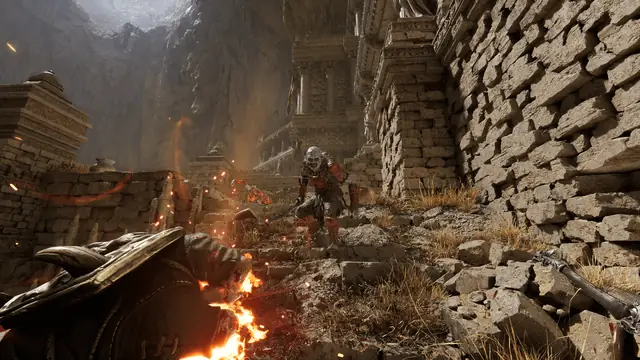
| Gear type | What beginners should check | Avoid this trap |
|---|---|---|
| Weapon | Reach, swing speed, recovery, stamina cost, and whether it can punish safely | Choosing only the biggest damage number |
| Armor | How much protection you gain versus how heavy or slow the set feels | Wearing gear that ruins spacing or dodge timing |
| Relic or artifact | Whether the effect solves a problem your build already has | Equipping a flashy bonus that never triggers in your playstyle |
| Spell | Cast time, exposure, resource cost, and whether it creates a safe opening | Casting under pressure without a defensive plan |
| Upgrade priority | Upgrade the tool you use every fight before niche equipment | Spreading resources across every new item too early |
Exploration
Explore Without Spoiling the World
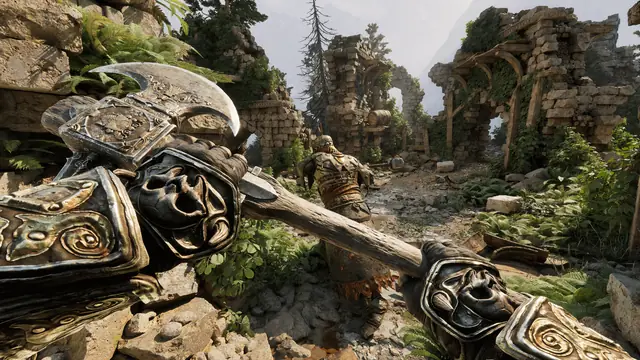
Official material points to handcrafted spaces, hidden lore, caverns, forests, sanctuaries, relics, and unexpected encounters. A good first run should preserve discovery while still keeping you from wasting time or missing practical shortcuts.- Name locations by what you can verify on screen instead of inventing permanent wiki names too early.
- Separate story spoilers from mechanical advice such as enemy type, shortcut, relic, or safe rest point.
- When a path branches, mark the safer exit before pushing deeper into a fight-heavy route.
- If a location changes after an update, preserve the old note only when you can label the build or date clearly.
- Link future location pages back to this beginner guide so new players can choose spoiler-light or spoiler-heavy reading.
Common mistakes
Mistakes That Make Fatekeeper Harder Than It Needs to Be
Most beginner problems come from playing too fast, treating every enemy like the last one, or trusting unverified assumptions. Slow down and let the game teach you before optimizing.Changing builds after every death
One death usually means you missed a timing or entered a bad angle. Change tactics before abandoning a build.
Ignoring recovery time
A high-damage weapon can be beginner-friendly only if you know when it becomes safe again after a swing.
Treating speculation as fact
Early Access games change. Keep release, platform, item, and balance claims tied to official sources or current in-game evidence.
Overusing magic
Magic is strongest when it creates control. If every cast is a panic button, you may run out of answers when the real threat appears.
Useful Links and Next Reading
Use official links for purchase and release facts, and use this site's wiki hub for source-aware route planning. New long-form pages should deepen one intent at a time instead of duplicating the homepage.
Fatekeeper Beginner Guide FAQ
What is the safest beginner build in Fatekeeper?
A balanced sword-and-sorcery setup is the safest first choice because it lets you learn melee timing while keeping magic available for control, interruption, or recovery windows.
Should beginners focus on weapons or magic first?
Start with one dependable melee weapon and use magic as support. This keeps you from running out of resources while still teaching when spells create a better opening than another attack.
Is this guide based on confirmed information?
Release, platform, developer, publisher, and store information are checked against official sources when available. Tactical advice is conservative and should be updated as Early Access balance changes.
Does Fatekeeper have a full weapons database yet?
This site does not pretend to have a complete weapons database until enough current in-game data is available. The beginner guide explains how to judge weapons safely while future database pages are built.
How can I avoid spoilers while using guides?
Read first-hour, combat, and gear sections before location-specific pages. A spoiler-light guide should explain decisions, danger levels, and mechanics without revealing story outcomes unnecessarily.