Fatekeeper studio and developer guide
Fatekeeper Studio: Who Developed and Published the Game?
The short answer is Paraglacial developed Fatekeeper and THQ Nordic published it. This source-aware page explains what those credits mean, where to verify them, and which popular studio claims are not confirmed.
Checked August 1, 2026 against the official Fatekeeper site, the Steam store listing, and THQ Nordic's Fatekeeper page. Early Access information can change, so the source trail matters.

Fast Answer: Who Made Fatekeeper?
Paraglacial is credited as the developer of Fatekeeper, while THQ Nordic is credited as the publisher. Steam is the official storefront and Windows PC distribution route; it is not the game's developer. The safest way to answer a Fatekeeper studio question is to keep these roles separate and check the official game page, Steam listing, and publisher page together.
Verified credits
Fatekeeper Developer, Publisher, and Store Roles
These are the useful distinctions for readers searching for the Fatekeeper studio, developer, or publisher. The table avoids turning a simple credit into unsupported claims about team size, ownership, or future plans.| Role | Verified name | How to read the credit |
|---|---|---|
| Developer | Paraglacial | The studio credited with developing Fatekeeper and its game systems. |
| Publisher | THQ Nordic | The company credited with publishing and presenting the game through its official channels. |
| Official store | Steam | The verified storefront and Windows PC access route, not the developer or publisher. |
| Independent wiki | Fatekeeper Blog | A third-party guide site that links to sources and is not affiliated with the game makers. |
The developer
Paraglacial Is the Studio Behind Fatekeeper
A developer credit points to the team responsible for making the game: its combat, world, progression systems, technical implementation, and the Early Access build. It does not automatically reveal every detail about the company or its internal staff.The credit is the important fact
When a player asks who developed Fatekeeper, the useful answer is the credited developer name: Paraglacial. That is stronger than repeating a forum comment, a video description, or a scraped company profile that may combine unrelated projects.
Developer means more than a logo
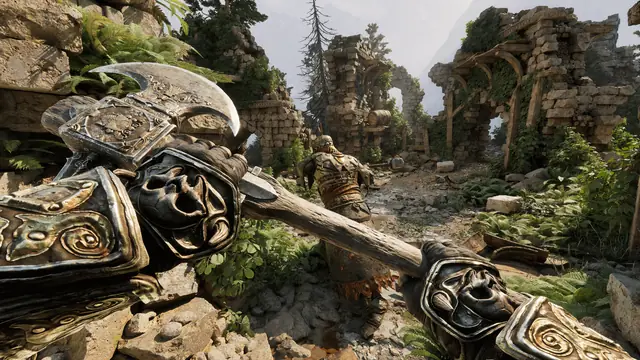
The development role covers the work that turns a concept into a playable game. In Fatekeeper's case, that includes the first-person sword-and-sorcery combat, the handcrafted world, character progression, weapons, armor, artifacts, enemies, and the build delivered through Early Access.
Do not invent studio details
A public developer credit does not prove a precise employee count, office location, private ownership structure, budget, production timeline, or list of unannounced features. Unless Paraglacial or another first-party source states a detail, this wiki leaves it unconfirmed.
Why the developer matters during Early Access
Early Access pages change as the developer tests systems, fixes issues, and expands scope. A reliable Fatekeeper studio guide therefore separates confirmed shipped content from planned direction. It should never treat a roadmap signal as a guaranteed release date or promise.
The publisher
THQ Nordic Publishes Fatekeeper
The publisher helps bring a game to market, coordinate public information, and support the commercial release. That role is different from building every system in the game, so a publisher credit should not be rewritten as a developer credit.THQ Nordic is not the same role as Paraglacial
THQ Nordic is the publisher named for Fatekeeper. Paraglacial is the developer. Those two credits can appear together on official pages, but they answer different questions: who made the game and who published it.
Publisher information is useful for source checking
A publisher page can confirm the official game identity, public positioning, store links, media, and announcements. It is especially useful when copied listings use old descriptions or when social posts make claims that do not appear in first-party material.
Steam is still a separate layer
The Steam listing is the official store page used for the current Windows PC and Early Access route. Valve provides the storefront platform, but Steam should not be described as the studio that developed Fatekeeper or as the publisher credited for the game.
Credits do not predict every future platform
Knowing the developer and publisher does not confirm a PS5, Xbox, Switch, mobile, APK, or browser version. Platform claims need their own current first-party evidence, which is why this page links to the separate platform and release-date guides.
Source method
How to Check a Fatekeeper Studio Claim
Use a short source chain before repeating a developer, publisher, studio, or release statement. The goal is not to collect every mention on the web; it is to find the clearest first-party evidence and record when it was checked.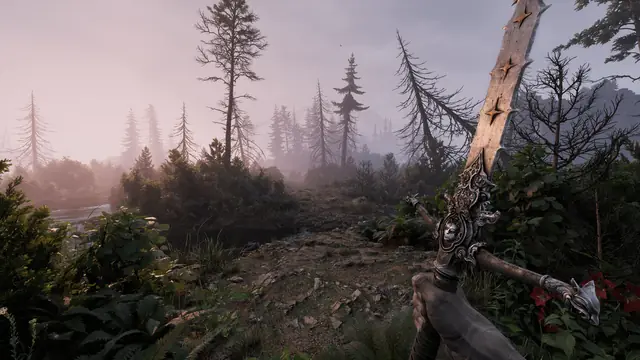
Start with the official Fatekeeper page
Check the official game site for the title, current positioning, public links, and any credited company names. Keep the exact entity spelling Paraglacial and THQ Nordic when writing the factual answer.
Compare the Steam listing
Use Steam to confirm the live store identity, Early Access context, platform route, and current store wording. If a third-party page disagrees with the live listing, do not silently blend the two versions together.
Check the publisher page
THQ Nordic's Fatekeeper page is a second first-party reference for the publisher relationship. Two official surfaces make it easier to detect copied pages that attach the wrong developer or an unrelated studio.
Label community claims honestly
Reddit posts, videos, databases, and fan wikis can provide leads, but they are not automatically official credits. Use them as community context or research leads, not as proof of team size, ownership, private history, or unannounced content.
Record the check date
Fatekeeper is in Early Access, so the page should retain a visible check date and update it when official credits or platform information changes. A dated source note is more useful than an unqualified word such as latest.
Sources and next reading
Official Fatekeeper Sources and Related Guides
Use the official pages for identity and credit checks, then open the related guides for release, Steam, review, and site-policy context.Fatekeeper Studio FAQ
Who developed Fatekeeper?
Paraglacial is the developer credited for Fatekeeper. This page uses the official game, Steam, and THQ Nordic source trail rather than relying on an uncited database entry.
Who is the Fatekeeper publisher?
THQ Nordic is credited as the publisher. Publishing is a different role from development, so the answer should not call THQ Nordic the studio that built every game system.
What does Fatekeeper studio mean?
Fatekeeper studio is a search phrase for the team behind the game. The clearest factual answer is that Paraglacial developed Fatekeeper, while THQ Nordic published it; the page then explains how to verify the credit.
Is THQ Nordic the developer of Fatekeeper?
No. The useful distinction is Paraglacial as developer and THQ Nordic as publisher. Both can be official partners on the same game, but the roles are not interchangeable.
Is Steam the Fatekeeper studio?
No. Steam is the storefront and PC distribution platform used for the official listing. It is not the developer or the publisher credited for Fatekeeper.
Do we know the full size or history of the Fatekeeper team?
Not from the sources used for this page. A developer credit does not justify inventing employee counts, offices, budgets, private ownership, or unannounced projects. Treat those details as unconfirmed until a first-party source publishes them.