Fatekeeper hammer boss guide
Fatekeeper Hammer Boss Guide: Read the Swing, Win the Window
A practical, spoiler-light plan for the hammer encounter: learn the windup, keep a safe angle, and change one loadout variable at a time. Exact names and balance values stay separate from tested advice while Early Access evolves.
Official Fatekeeper and Steam material confirm boss battles, enemy strengths and weaknesses, gear choices, and tactical adaptation. This guide labels unconfirmed details instead of presenting guesses as a final database.

Fast Answer
Treat the Fatekeeper hammer boss as a timing and spacing test before treating it as a damage race. Stand far enough away to see the windup, avoid attacking during the recovery of your own swing, and punish only after the hammer finishes a committed animation. A dependable weapon, medium defensive option, and one spell or relic that creates space are usually more useful than a flashy damage swap. If a detail is not confirmed in your current build, record it as a test rather than a fact.
Encounter reading
What the Hammer Encounter Actually Tests
The hammer is threatening because it compresses several decisions into one slow-looking animation. Read the pressure type first, then solve the smallest problem that is causing the death.Recognize the commitment
A heavy swing gives you information before it gives damage. Watch the shoulder turn, weapon lift, and foot plant. The exact visual can move with patches, so learn the start of the commitment rather than memorizing a frame count.
- Keep the boss in view while circling.
- Do not spend stamina on an early panic dodge.
- Mark the moment the swing can no longer be cancelled.
Hold a useful distance
Too close hides the windup; too far can make the fight drag until you lose concentration. Use a distance where the hammer head is visible and one short step can leave the impact path. Re-enter only after the recovery is obvious.
- Circle toward open floor, not a corner.
- Keep a route behind you for a missed read.
- Change distance before changing the whole build.
Punish the end, not the start
Your damage window is the boss recovery, not the moment the hammer begins moving. Use one or two reliable hits, then reset. Longer strings turn a good read into a trade when the next animation starts.
- Prefer a fast confirmed hit to a greedy combo.
- Leave stamina for the next escape.
- Count the reset as progress, not lost damage.
Change one variable per attempt
If the plan fails, change only one thing: weapon reach, armor weight, spell timing, coating, or approach angle. Single-variable tests show what solved the problem and keep Early Access notes useful after a balance update.
- Write down the failed variable before replacing it.
- Test control tools in a safe opening.
- Keep confirmed observations separate from predictions.
Arena control
Read the Arena Before You Pull the Hammer Boss
A strong hammer boss attempt begins before the first hit. Look for walls, slopes, pillars, exits, and camera traps that change how clearly you can read the swing.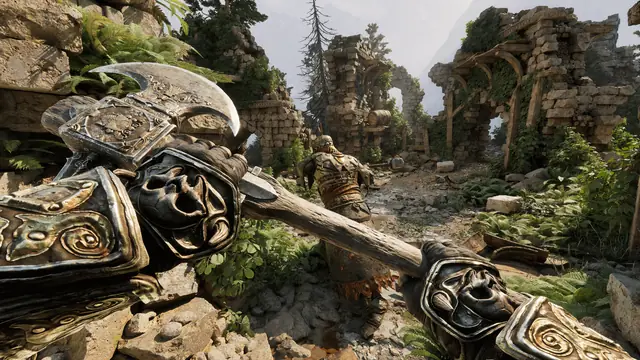
Choose the clean side of the room
Enter from the side with the longest retreat line. If the fight starts near a wall, spend the first safe reset moving toward open ground instead of forcing damage in a bad corner.
Protect the camera
A hammer attack is hardest to read when the boss leaves the edge of the screen. Keep a shoulder, pillar, or doorway from breaking the view during the windup, and turn before the impact rather than after it.
Use terrain as a pause
A pillar or height change can buy a breath for healing or a resource check, but it is not proof that the boss is stuck. Step out, confirm the next animation, and treat every reset as temporary.
Plan the retreat
Know where you will go after a hit, a miss, and a failed dodge. A route that works once but ends at a dead end is a trap for the second swing.
Loadout
Fatekeeper Hammer Boss Loadout Checklist
Bring tools that make the pattern easier to see and survive. Exact item names and values can change, so judge each choice by the job it performs in your current build.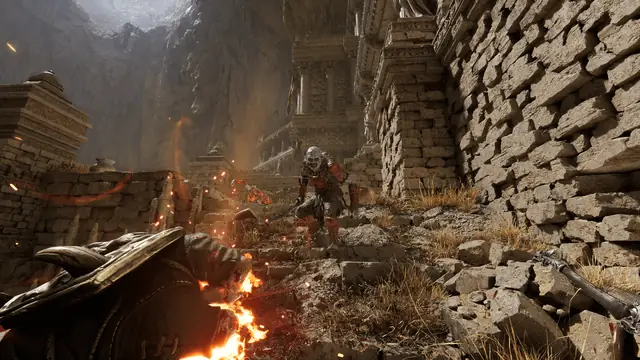
| Slot | Choose it for | Check before entering |
|---|---|---|
| Primary weapon | Reach and recovery you already understand | Can you land one hit and still escape? |
| Armor | Survival against your repeated mistake | Does the weight ruin your spacing or dodge? |
| Spell or relic | A clear job: interrupt, space, or reset | Can you cast without standing in the impact line? |
| Coating or resource | A confirmed opening or difficult attempt | Will you spend it after the pattern is readable? |
| Healing | A planned reset rather than panic | Do you have a safe route to use it? |
| Notes | A record that survives a patch | Did you label facts, tests, and guesses separately? |
Attempt plan
A Safe Five-Step Hammer Boss Attempt
Use the first attempt to buy information. Repeat the same rhythm until you know which part of the encounter is actually blocking progress.1. Enter with a stable baseline
Use the weapon and armor you can control without thinking. The first run is a measurement run; do not hide the pattern behind an unfamiliar setup.
2. Watch one full swing
Stay outside the impact line and let one committed attack finish. Note the windup, travel, recovery, and the direction of the follow-up rather than chasing early damage.
3. Take a small punish
After the recovery is clear, land one reliable hit or short cast. Leave before the next animation, even if the damage feels modest.
4. Test one adjustment
On the next attempt, change one variable: move a little closer, use a longer weapon, add a control spell, or lighten the armor. Keep every other choice constant.
5. Convert the note into a loop
When the same response works twice, make it your default loop. Add a second punish only after the first one is safe and repeatable.
When should you change the build?
Change the build when a repeatable problem remains after your spacing and timing are clean. If deaths come from a missed read, a new weapon will only move the mistake. If the read is correct but recovery, range, or stamina repeatedly prevents the punish, then one targeted equipment change is justified.
Common mistakes
Mistakes That Waste Hammer Boss Attempts
Most failed attempts contain useful information. Keep the lesson and remove the habit that turns one mistake into a full reset.Rolling before the swing commits
An early dodge often ends inside the impact path. Wait until the animation has a clear direction, then move once instead of chaining panic rolls.
Using the wall as a strategy
A wall may save one attempt and destroy the camera on the next. Move to open ground and use terrain only as a temporary pause.
Testing every item at once
A new weapon, heavy armor, spell swap, and coating together create noise. Change one variable so the result teaches you something.
Chasing damage after a safe hit
The first hit proves the window; it does not promise a full combo. Reset before the next hammer animation starts.
Evidence notes
How to Keep the Guide Useful After an Update
Fatekeeper is an Early Access game, so a good hammer boss note records what was observed, where it was observed, and how stable the behavior seems.Record the build context
Write the date or build label beside a damage number, phase trigger, or reward. A value without context can become misleading after a patch.
Separate names from roles
If the in-game name is not visible, call the encounter the hammer boss and describe its role. Do not invent a permanent name to make a guide look complete.
Repeat before declaring a weakness
Test a response more than once and compare a safe baseline. One lucky stagger is a clue, not a confirmed weakness.
Link the surrounding decision
Players may need a weapon, build, location, or enemy-pattern page next. Link the relevant guide so the boss answer works as part of a route.
Next reading
Build a Complete Hammer Boss Plan
Use this page for the encounter loop, then move to the supporting page that matches the problem you are seeing.Fatekeeper Hammer Boss FAQ
What is the safest way to beat the Fatekeeper hammer boss?
Keep the impact line visible, wait for the committed swing, take one short punish, and reset. Learn the rhythm before changing the entire build.
Should I use a heavy weapon against the hammer boss?
Use the weapon whose recovery you understand. A heavy weapon can work when you only swing during a confirmed recovery, while a faster weapon may make learning easier.
Is the hammer boss weak to a specific element?
Do not treat a single stagger or damage spike as proof. Test the same response against a stable baseline and label any weakness as provisional until current gameplay confirms it.
Why do my dodges fail even when I see the hammer move?
You may be dodging before the attack commits, standing too close to the head, or backing into terrain. Hold a readable distance and move once toward your planned open lane.
Where should I look for confirmed Fatekeeper updates?
Check the official Fatekeeper site, Steam news, and current in-game behavior. Use community notes as leads, then retest anything that affects a build, reward, or weakness.