Fatekeeper map guide
Fatekeeper Map Guide: Locations, Routes, and Spoiler-Light Exploration
Use this Fatekeeper locations guide as a clean routing framework before a full interactive map exists: where to start in Haven, how to read area types, what to record, and how to explore without turning Early Access speculation into fake wiki certainty.
Built from official Fatekeeper, Steam, and THQ Nordic descriptions plus conservative wiki practice. Exact item names, enemy placements, and map labels should be updated from current in-game evidence.
Fast Answer
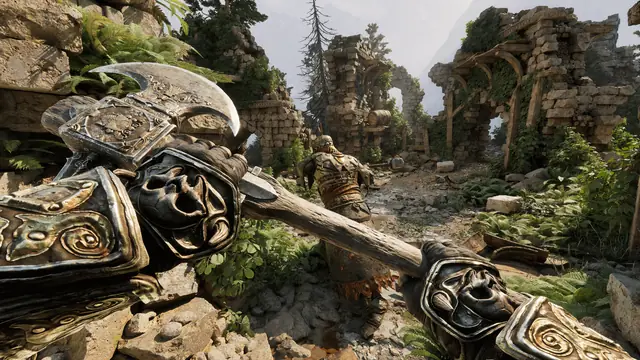
The best Fatekeeper map approach is to start from Haven, treat every branch as a route note, and separate confirmed mechanics from lore spoilers. Track exits, shortcuts, enemy pressure, relic clues, rest or return points, and whether a path leads toward forests, caverns, sanctuaries, or old battleground spaces. Until the game has stable Early Access data, this page is a practical locations framework rather than a pretend complete interactive map.
Exploration route
A Safe Route Plan Before a Full Map Exists
A new Fatekeeper player needs a way to explore confidently without being told every story reveal. Use this order to build your own map notes while keeping major discoveries intact.Start each session from a known return point
Begin at Haven or another confirmed safe point, then write down the route you take in simple terms: gate, bridge, cave mouth, sanctuary stairs, forest path, or battlefield edge. A clear return note matters more than naming the zone perfectly.
Scout branches before committing resources
When a path splits, check the first screen or encounter of each branch before spending healing, spell resources, or upgrade materials. Mark which route feels combat-heavy, which route looks like traversal, and which route seems tied to lore.
Prioritize shortcuts and exits
A useful Fatekeeper map note should first answer how to get back safely. Record doors, lifts, ladders, one-way drops, locked gates, and any visual landmark that helps you recover after a death or update change.
Label danger without spoiling story
Use spoiler-light tags such as melee pressure, ranged threat, narrow corridor, boss-style arena, relic clue, or lore room. These help players route safely without revealing who or what is behind the encounter.
Update notes by build version
Early Access maps can change. If an enemy, item, shortcut, or lock state moves, keep the old note only when it is dated or tied to a build. Undated map claims become misleading very quickly.
Starting hub
How to Treat Haven in Your Location Notes
Official material frames Haven as the central refuge and narrative anchor. For map writing, treat it as the baseline for directions, NPC or quest reminders, and safe routing language.- Use Haven as the start point when a route can be described from a safe hub instead of from a vague landmark.
- Keep quest names, NPC outcomes, and late-story reveals out of the first sentence of a location note.
- Document return paths, shops, upgrade access, or preparation checks before combat spoilers.
- Link general build advice to the builds guide instead of turning every location entry into a class guide.
- When a route begins in Haven but branches into several area types, create separate notes for each branch.

Area types
Location Types a Fatekeeper Map Should Separate
Official descriptions mention a handcrafted world with ancient battlegrounds, underground caverns, forests, sanctuaries, hidden lore, relics, and unexpected encounters. A strong wiki map should separate these by player task, not only by scenery.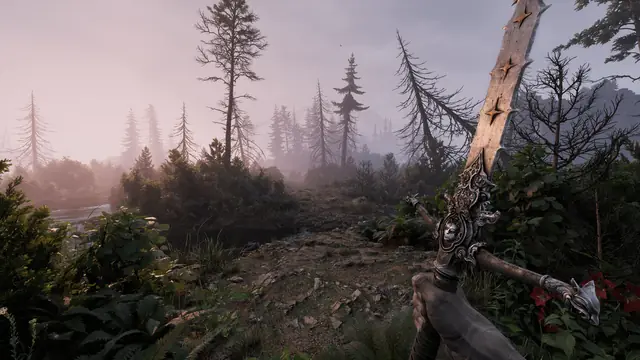
Ancient battleground routes
Use these pages for open combat pressure, enemy approach angles, environmental hazards, and routes where a player should prepare before crossing exposed ground.
- Mark sightlines and retreat options.
- Note whether heavy melee or ranged pressure dominates.
- Keep story identities behind spoiler labels.
Underground caverns
Caverns should focus on navigation clarity: loops, locked exits, one-way drops, darkness, vertical routes, and whether a branch is a resource drain before a major encounter.
- Record the return path first.
- Flag one-way movement clearly.
- Separate loot notes from lore reveals.
Forests and outer paths
Forest routes are best documented by landmarks and enemy pressure. Avoid writing a fake map grid until screenshots or in-game coordinate evidence supports one.
- Use visible landmarks.
- Track ambush-style pressure.
- List shortcuts back to known hubs.
Sanctuaries and lore rooms
Sanctuary notes should help players decide whether to enter now, return later, or read spoiler-heavy lore. Keep mechanical rewards and story interpretation separate.
- Label lore spoilers before details.
- Record relic clues and locks.
- Link only confirmed official sources.
Route priorities
What to Check First in Each New Location
This table gives a consistent scan order for future Fatekeeper walkthrough and map pages, especially while Early Access information is still moving.| Map question | What to record | Why it matters |
|---|---|---|
| Can I return safely? | Nearest Haven route, shortcut, gate, lift, or landmark | Prevents a map note from becoming a one-way spoiler dump. |
| What kind of pressure is here? | Melee swarm, ranged threat, elite enemy, trap, narrow corridor, or open arena | Tells players whether to adjust build, gear, or spell choices. |
| Is the route progression-critical? | Main path, optional branch, locked route, lore detour, or resource loop | Helps players avoid overcommitting to optional danger too early. |
| What should stay hidden? | Boss identity, story reveal, puzzle answer, or late-game location name | Keeps the guide useful for spoiler-light searchers. |
| What changed after an update? | Moved enemy, renamed item, altered shortcut, different lock condition | Protects the wiki from stale Early Access information. |
Wiki tracking
What to Record for a Future Interactive Map
The fastest way to build a trustworthy Fatekeeper map is to collect repeatable observations. These notes can later become individual location pages, item entries, and route screenshots.Landmark name and direction
Write the route from a stable anchor: Haven exit, bridge, gate, cavern mouth, sanctuary stairs, tower view, or forest fork. Avoid invented permanent names until the game itself confirms them.
Encounter type, not just enemy name
If the enemy name is unknown, record what matters: shield user, ranged caster, fast melee pressure, ambush, heavy swing, or boss-style arena. This still helps route planning.
Reward and lock state
Separate visible rewards from assumptions. Note whether an object is reachable now, locked, requires a key, looks ability-gated, or should be revisited after a story step.
Screenshot or source evidence
When possible, pair each location claim with a screenshot, official media reference, Steam update note, or dated in-game observation so future edits can verify it.
Spoiler policy
Spoiler-Light vs Spoiler-Heavy Map Notes
Searchers looking for a Fatekeeper map may want route help, not the answer to every encounter. Use different levels of detail depending on the page and anchor text.| Detail type | Spoiler-light wording | Spoiler-heavy wording |
|---|---|---|
| Boss arena | Large encounter room after the narrow cavern route | Name the boss only after a spoiler warning. |
| Quest reveal | Story-critical sanctuary scene | Explain the reveal in a clearly labeled story section. |
| Puzzle | Lock or symbol puzzle blocks the side route | Give the solution in a collapsible or clearly marked answer section. |
| Relic | Relic clue near the return shortcut | List the relic name and effect only when confirmed. |
| Hidden route | Optional branch behind a landmark | Describe exact access steps after a spoiler label. |
Sources and Next Reading
Use this page for map and location intent, then move to focused guides for combat, builds, and official store details.
Fatekeeper Map and Locations FAQ
Does Fatekeeper have an interactive map?
This site does not claim a complete interactive Fatekeeper map yet. The page gives a spoiler-light route framework and explains what should be recorded before a full map database is trustworthy.
What is the best starting point for Fatekeeper locations?
Use Haven or another confirmed safe return point as the anchor for route notes. It keeps directions readable and prevents vague location descriptions from confusing new players.
Should I read map guides before playing Fatekeeper?
Read spoiler-light sections for route safety, shortcuts, and preparation. Avoid spoiler-heavy boss, puzzle, and story sections until you are stuck or replaying.
How should Early Access map changes be handled?
Date each important observation and update moved enemies, changed shortcuts, renamed items, or altered lock conditions when the current build proves the change.
Is this page different from the beginner guide?
Yes. The beginner guide explains first-hour decisions and combat basics. This page focuses on locations, route notes, map terminology, and spoiler policy.