Fatekeeper bosses and enemies guide
Fatekeeper Bosses & Enemies Guide: How to Read Every Encounter
Use this spoiler-light guide to prepare for boss arenas, enemy groups, ambushes, spell pressure, and weakness testing without inventing names or mechanics that Early Access has not confirmed yet.
Official Fatekeeper and Steam material confirms distinct enemy patterns, strengths, weaknesses, preparation, and tactical adaptation. This page keeps names conservative until current in-game evidence confirms them.

Fast Answer
Treat every Fatekeeper boss or enemy as a pattern test before treating it as a damage race. First identify range, windup speed, recovery window, pressure type, and whether the encounter punishes blocking, panic dodging, or slow casting. Then adjust one variable: weapon reach, armor weight, spell timing, coating, relic, or route angle. Record confirmed weaknesses only after repeatable tests, because Early Access balance and enemy names can change.
Reading loop
The Four-Step Encounter Loop
The safest Fatekeeper player spends the opening seconds learning what the enemy wants. Do not commit to long attacks, heavy casts, or full build changes before you know the encounter rhythm.Name the pressure
Ask whether the enemy is forcing close melee, ranged spell pressure, ambush movement, shield trading, or boss-style arena control. The answer decides whether space, block timing, terrain, or interruption matters most.
Test one safe action
Use one light attack, one block, one late dodge, or one short cast. Watch what happens after the enemy finishes an animation. The recovery window is more important than the first damage number.
Change one loadout variable
If the test fails, adjust one variable at a time: weapon reach, armor weight, spell choice, relic behavior, coating use, or fight angle. Full loadout swaps hide which change actually solved the problem.
Record confirmed behavior
Write down the pattern only after you can reproduce it. Mark unknown names, uncertain weaknesses, or patch-sensitive behavior instead of turning guesses into permanent wiki claims.
Enemy patterns
Common Enemy Types to Track
Early Fatekeeper wiki notes should group enemies by behavior first. A useful encounter page can help players before every official name, stat, or drop table is confirmed.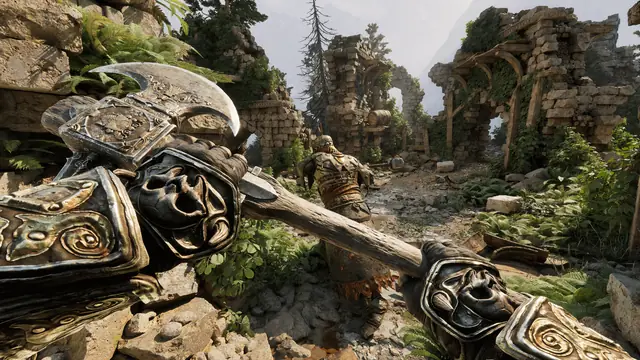
Fast close-range attackers
These enemies test spacing and panic reactions. Step out late, avoid long recovery swings, and learn whether blocking creates a safe punish or only drains resources.
- Record first attack range and recovery.
- Avoid backing into corners while testing.
- Use short attacks until the pattern is readable.
Shield, armor, or heavy poise enemies
These encounters punish button mashing. Look for attacks that leave them open, consider magic or coatings only when they create a real punish window, and do not trade hits just because the enemy moves slowly.
- Track whether blocks bounce or stagger.
- Compare heavy and quick weapons separately.
- Record if magic interrupts pressure.
Casters and ranged threats
Ranged enemies change the room. Break line of sight, close distance deliberately, and keep enough stamina or recovery time to avoid the follow-up rather than sprinting straight into a second hit.
- Note projectile speed and delay.
- Use cover before spending resources.
- Pair approach routes with location notes.
Groups and hidden threats
Group encounters are often route problems, not build failures. Pull enemies into narrower angles, identify the target that controls the fight, and do not fight from the center of an open room unless you already know the pattern.
- Mark trigger points and escape routes.
- Separate ambush count from boss data.
- Use terrain before changing builds.
Boss prep
Boss Preparation Before You Enter the Arena
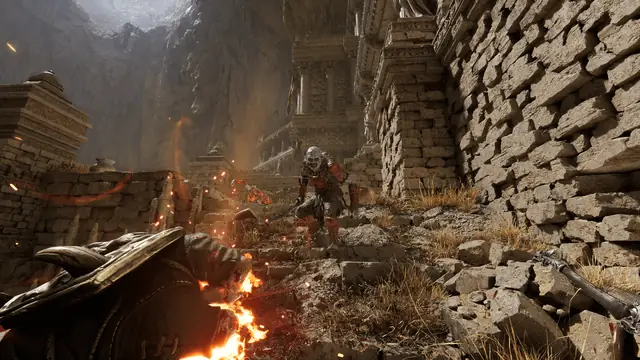
A boss guide is trustworthy when it explains preparation and pattern reading without spoiling names too early or pretending every value is final.Lock in a stable weapon
Bring the weapon whose reach and recovery you understand best. Boss-style encounters punish unfamiliar timing more than ordinary route fights.
Choose armor for the repeated mistake
If you die during recovery, lighter gear or shorter attacks may help more than defense. If one missed block ends the attempt, moderate protection can buy the learning time you need.
Assign magic a job
A spell should interrupt, create distance, punish a slow animation, or reset pressure. If the cast is only panic damage, it may make the boss harder.
Use coatings and relics deliberately
Temporary effects are strongest when paired with a known phase, weakness, or recovery window. Do not spend limited resources before you know when the arena becomes safe.
Weakness testing
How to Test Enemy Weaknesses Without Guessing
Official descriptions mention enemy strengths and weaknesses, but a wiki should separate confirmed tests from assumptions. Use a repeatable note format so future patches can be checked quickly.| Question | What to test | What to record |
|---|---|---|
| Does range change the pattern? | Fight once close, once at mid-range, and once using cover or terrain. | Which distance creates the safest recovery window. |
| Does blocking work? | Block the first committed attack only, then watch stamina, stagger, and follow-up behavior. | Whether block creates a punish or only delays danger. |
| Does magic interrupt? | Use one short control spell after the enemy begins a slow action. | Whether the spell stops pressure, opens damage, or leaves you exposed. |
| Does armor weight matter? | Compare a heavier safe attempt with a lighter movement attempt. | Whether survival improved because of defense or because movement became cleaner. |
| Is there a phase change? | Stop rushing at low health and observe whether speed, range, or attack order changes. | Trigger point, new behavior, and safe response. |
Wiki notes
Enemy Data Fields Worth Recording
Fatekeeper Blog can grow into a better wiki if each encounter note is source-aware and update-friendly. Start with behavior, then add names, locations, drops, and weaknesses only when evidence is stable.Encounter identity
Record the displayed enemy or boss name only when visible. If the name is unknown, use a descriptive placeholder such as shield melee, ranged caster, cavern ambush, or arena heavy attacker.
Location and route
Tie enemy notes to a location page, landmark, or route segment. A boss after a narrow cavern route needs different preparation than the same pattern in open ground.
Attacks and punish windows
List the first attack, dangerous follow-up, recovery window, and safe response. This helps players adapt even when exact damage values are not known.
Rewards and locks
Keep rewards separate from guesses. Record confirmed drops, gates, relic access, story locks, or shortcut changes with date and build context when possible.
Spoiler policy
Keep Boss Help Useful Without Spoiling Everything
Some players search for Fatekeeper boss help because they are stuck, while others only want to know how hard a route is. Use clear spoiler levels so both readers can use the page.| Detail | Spoiler-light wording | Spoiler-heavy wording |
|---|---|---|
| Boss name | Major arena encounter after the route landmark | Name the boss after a spoiler warning. |
| Phase change | Behavior changes at low health | Describe exact trigger and new move order. |
| Reward | Useful relic or route unlock after the encounter | List item name and effect only when confirmed. |
| Story context | Story-critical fight or reveal nearby | Explain the reveal in a labeled story section. |
| Weakness | Appears vulnerable to a tested response | Give exact weakness only after repeatable evidence. |
Sources and Next Reading
Use official sources for release and store facts, then use related wiki pages for builds, gear, route planning, and beginner combat practice.
Fatekeeper Bosses and Enemies FAQ
Does Fatekeeper have bosses?
Official and store materials refer to boss battles, enemies, distinct patterns, strengths, weaknesses, preparation, and tactical adaptation. This guide covers how to prepare and record encounter data without inventing unverified boss names.
What is the safest way to learn a new enemy?
Start with one safe action, watch recovery, and change only one variable after each attempt. Most early mistakes come from attacking before the enemy pattern is readable.
Should I change builds for every boss?
No. First adjust spacing, weapon reach, armor weight, spell timing, or route angle. A full build change should happen only after you know which repeated problem is causing deaths.
Can this page list every boss weakness?
Not yet. Early Access data can change, so this page uses a repeatable weakness-testing framework and should only list exact weaknesses when they are confirmed by current gameplay or official material.
Where should enemy notes link next?
Enemy notes should link to the relevant location route, weapon or gear choice, build path, and beginner combat guide so readers can solve the fight from multiple angles.