Comparison guide
Is Fatekeeper Like Dark Messiah? A Careful First-Person Fantasy RPG Comparison
Players searching for a new game like Dark Messiah usually want physical first-person combat, magic that changes encounters, and a fantasy world that feels hand-built rather than generic. Fatekeeper is worth comparing on that axis, but it should not be called an official successor, remake, or replacement unless the developers say so.
This page uses official Fatekeeper and Steam information where available, then treats Dark Messiah as a search-intent comparison rather than an official lineage claim.
Fast Answer
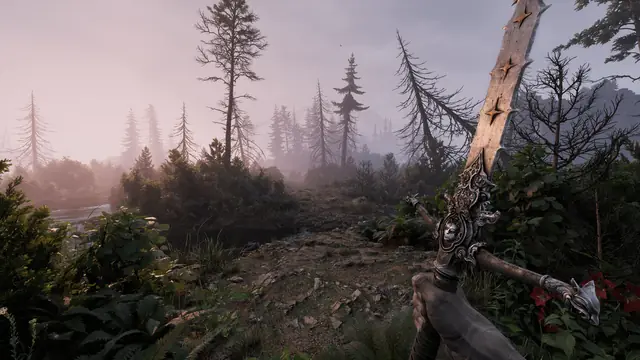
Fatekeeper is relevant to Dark Messiah fans because both search intents point toward first-person fantasy combat with melee pressure, magic, environmental awareness, and RPG-style progression. The safer verdict is: Fatekeeper may scratch part of the Dark Messiah itch, especially if you want sword-and-sorcery combat in a newer Early Access RPG, but it is not confirmed as a Dark Messiah sequel, remake, or spiritual successor. Treat it as a modern comparison candidate, then judge it on its own systems, scope, Early Access state, and official Steam updates.
Search intent
Why Dark Messiah Fans Notice Fatekeeper
The comparison is not random. Search data around Fatekeeper includes first-person fantasy RPG and Dark Messiah-adjacent wording, while the official Fatekeeper material emphasizes sword and sorcery, relics, spells, choices, and a handcrafted world. Those signals overlap with what many players remember from older immersive fantasy action games.- Both intents center on first-person fantasy action rather than distant party-based RPG combat.
- The important reader question is practical: does Fatekeeper deliver reactive melee, readable enemy behavior, useful magic, and meaningful build choices?
- Fatekeeper is currently an Early Access PC and Steam game, so scope, balance, performance, and content depth should be checked against the live Steam page before purchase.
- Dark Messiah comparisons are useful for player expectations, but they can mislead if they become unsupported marketing claims.
- This guide keeps the comparison conservative: mechanics and player fit first, lineage claims last.
Side-by-side
Fatekeeper vs Dark Messiah: What Actually Matches?
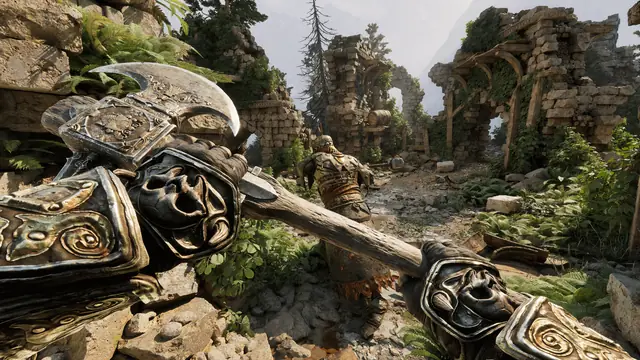
Use this matrix to separate useful similarity from speculation. A good comparison helps readers decide whether Fatekeeper belongs on their watchlist; it does not need to pretend both games are the same.| Player expectation | Fatekeeper evidence | Dark Messiah comparison value | Best SEO action |
|---|---|---|---|
| First-person fantasy combat | Official Steam and Fatekeeper descriptions position Fatekeeper as a first-person RPG built around sword and sorcery. | High. This is the main reason Dark Messiah fans notice the game. | New comparison page, with internal links to combat and beginner guides. |
| Melee plus magic | Fatekeeper materials mention relics, spells, weapons, armor, artifacts, enemy encounters, and flexible progression. | High. Players want to know whether magic changes fights or only decorates them. | Explain as a combat-read section, not a hard verdict. |
| Environmental or physics-style chaos | Some public coverage and trailers invite this comparison, but official copy should be treated carefully. | Medium. Mention as an expectation to test, not a guaranteed feature list. | Use cautious wording and avoid unsupported promises. |
| Character builds and progression | Fatekeeper is explicitly positioned around choices, relics, spells, and progression. | Medium to high. This may matter more than nostalgia for players buying an Early Access RPG. | Link to the builds and weapons pages. |
| Classic Dark Messiah replacement | No official source confirms Fatekeeper as a sequel, remake, or official successor. | Low. This is risky if written as a claim. | FAQ only: clarify that it is a comparison, not lineage. |
| Price, release date, and platform status | Fatekeeper has a verified Steam page and Early Access status. | Low for this page. It belongs on the Steam and platforms guides. | Internal anchor to /steam/ and /platforms/. |
Combat read
Judge Fatekeeper by Combat Feel, Not by Nostalgia Alone
A player who searches for a new game like Dark Messiah usually has a clear memory of tactile encounters: spacing, timing, enemy reactions, spell pressure, and the feeling that a room can become a fight puzzle. Fatekeeper should be evaluated by those concrete questions.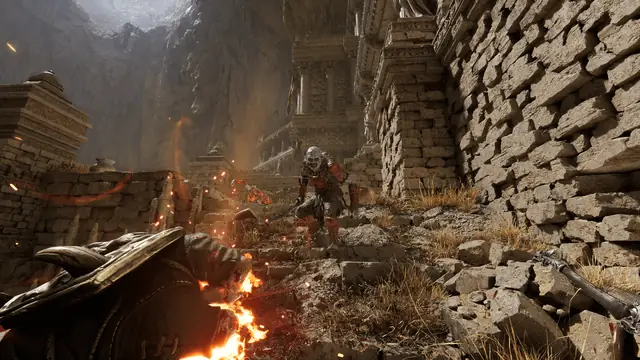
Does melee commit the player to risk?
For Dark Messiah fans, melee only works when timing and positioning matter. When playing Fatekeeper, watch whether attacks, blocks, dodges, recovery windows, and enemy tells create choices instead of button-spam.
Does magic change the encounter?
The important question is not whether the game has spells. It is whether spells solve different combat problems: control, burst damage, range, setup, recovery, or pressure against specific enemy types.
Do builds produce different decisions?
A sword-heavy player, a nimble precision player, and a sorcery-focused player should approach risk differently. If every build solves rooms the same way, the comparison becomes weaker.
Does Early Access content support the promise?
Fatekeeper may have a strong direction while still being early in scope. Check current reviews, patch notes, and content descriptions before treating any comparison as a final verdict.
Player fit
Who Should Try Fatekeeper After Dark Messiah?
The best answer depends on what you miss. Some players miss physical melee. Others miss immersive fantasy spaces, build expression, or a compact RPG that does not feel like a live-service checklist.Try it if you want first-person sword-and-sorcery combat
Fatekeeper is most relevant if your main interest is being inside the fight: reading distance, choosing when to swing, when to cast, and when to reset.
Try it if Early Access does not bother you
The comparison is strongest when you accept that Fatekeeper is still growing. If you need a finished campaign, wait for more updates and read recent Steam reviews first.
Try it if you want build direction, not only physics comedy
Dark Messiah nostalgia often centers on memorable combat moments, but Fatekeeper may be more interesting if its relics, spells, gear, and progression create repeatable build decisions.
Wait if you only want a Dark Messiah remake
A comparison page cannot turn Fatekeeper into a Ubisoft or Arkane project. If you want the exact old structure, tone, campaign, or systems, treat Fatekeeper as adjacent rather than equivalent.
Boundaries
What This Comparison Should Not Claim
The strongest SEO page is not the loudest one. For a fan/wiki site, the trustworthy angle is to say where the comparison helps and where it stops.- Do not call Fatekeeper an official Dark Messiah sequel, remake, or successor unless a primary source says so.
- Do not promise full environmental physics, multiplayer, console versions, or finished-campaign scope from comparison wording alone.
- Do not use Dark Messiah searches to create unsafe download pages, APK claims, or fake platform pages.
- Do not bury the Early Access caveat. It affects content depth, balance, reviews, performance, and player expectations.
- Do use the comparison as a reader-friendly bridge into verified pages: beginner guide, builds, weapons, platforms, and Steam status.

Sources and Next Reading
Use official pages for store and platform facts, then use the internal guides for Fatekeeper-specific decisions.
Fatekeeper and Dark Messiah FAQ
Is Fatekeeper a Dark Messiah sequel?
No official source used by this site confirms Fatekeeper as a Dark Messiah sequel, remake, or official successor. It is better described as a first-person fantasy RPG that some players compare with Dark Messiah because of combat perspective, melee, magic, and tone.
Is Fatekeeper good for Dark Messiah fans?
It may be worth watching or trying if you want first-person sword-and-sorcery combat, build choices, spells, and dark fantasy exploration. The match is weaker if you only want the exact Dark Messiah campaign, systems, or finished-game scope.
What is the closest shared appeal?
The closest shared appeal is active first-person fantasy combat: reading enemies, committing to melee decisions, using magic in fights, and exploring a world that feels more tactile than a menu-driven RPG.
Should this topic be a new page instead of a FAQ?
Yes, because the intent is distinct from release date, platform, weapon, and beginner-guide searches. A comparison page can answer Dark Messiah-adjacent queries without rewriting the Steam or platforms guide.
Does Fatekeeper have the same environmental combat as Dark Messiah?
This page does not make that promise. The safe approach is to check current gameplay footage, Steam reviews, and official updates, then judge whether Fatekeeper's encounters give you the physical combat feel you want.
Where should I check current Fatekeeper status?
Use the official Steam page for price, reviews, requirements, and Early Access notes. Use the official Fatekeeper site and THQ Nordic channels for publisher-level updates.