Fatekeeper builds guide
Fatekeeper Builds Guide: Pick the Right Class-Style Path
Fatekeeper does not need a rigid class list to force meaningful build choices. Your weapon reach, armor weight, spell timing, relic effects, and attribute priorities create a class-style identity. This guide helps you choose a safe path without pretending Early Access data is already a complete meta tier list.
Build advice is conservative and source-aware. Official Fatekeeper material confirms first-person sword-and-sorcery combat, progression, gear, magic, and a handcrafted world; exact balance can change during Early Access.
Fast Answer
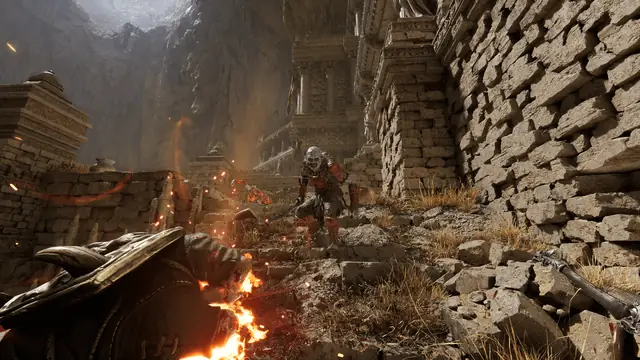
The safest beginner Fatekeeper class-style build is balanced sword-and-sorcery: a reliable melee weapon, moderate armor, and magic for spacing and safe openings. Heavy melee, agile precision, and spell control are alternative build paths, not a confirmed fixed class roster. Early Access balance can change, so use decision rules rather than a final tier list.
Decision matrix
Which Fatekeeper Build Should You Start With?
Use this matrix as a playstyle filter, not a permanent meta ranking. A strong Fatekeeper build should solve the situations that actually kill you: bad spacing, slow recovery, weak crowd control, poor resource timing, or gear that fights your habits.| Build path | Best for | Main strengths | Main risk | Beginner verdict |
|---|---|---|---|---|
| Balanced sword-and-sorcery | First save, blind exploration, players testing every system | Flexible melee range, spell utility, moderate gear pressure | Can become unfocused if every new item changes your plan | Best default choice |
| Heavy melee | Patient players who like blocking, spacing, and big punish windows | High impact hits, clear upgrade priority, strong defensive rhythm | Slow recovery makes panic swings expensive | Good once you stop trading hits |
| Agile precision | Players comfortable with movement and enemy tells | Fast recovery, clean repositioning, strong single-target control | Low margin for error in groups or tight terrain | Strong but less forgiving |
| Spell control | Tactical players who manage resources calmly | Range, interruption, area control, safe openings | Can collapse when resources run dry | Better as a second build or hybrid |
Build paths
Four Class-Style Paths That Fit Fatekeeper
Official material frames Fatekeeper around reactive first-person melee, spell precision, progression choices, weapons, armor, artifacts, and exploration. That supports class-style planning even when the game is not presented as a traditional class picker.
Balanced sword-and-sorcery
Start here if you want the most stable first run. Carry a dependable weapon with readable recovery, keep armor weight moderate, and reserve magic for interrupts, pressure breaks, or safe finishers. The goal is to learn Fatekeeper's full combat language before specializing.
- Upgrade the weapon you use in nearly every fight.
- Keep one control spell ready instead of chasing pure damage.
- Switch gear only when it fixes a repeated problem.
Heavy melee punisher
This path treats defense and spacing as your damage engine. Let enemies commit first, block or step out late, then punish the recovery. Heavy weapons can feel powerful, but the build becomes fragile if you swing before the enemy has shown the attack.
- Prioritize reach, stagger potential, and survivability.
- Avoid long combos until recovery is proven safe.
- Use spells only to reset pressure or force a clean opening.
Agile precision duelist
Agile builds reward players who can read windups and reposition without panic. Lighter equipment and faster attacks let you correct mistakes sooner, but they do not excuse bad routes, narrow corners, or fighting multiple enemies from the center of a room.
- Fight at angles where one enemy can reach you at a time.
- Choose weapons with fast recovery over flashy damage.
- Treat dodging as timing, not constant movement.
Spell control hybrid
Spell control should change the pace of a fight. Use magic to interrupt, create distance, punish a slow enemy, or make a dangerous approach safer. Until exact resource rules and balance settle, keep a melee fallback and avoid building around one spell doing everything.
- Track cast time and exposure before raw spell power.
- Pair magic with a weapon that protects you when resources are low.
- Choose relics that support control windows, not only burst damage.
Attributes
Set Attribute Priorities by Problem, Not Fantasy
A useful Fatekeeper build starts from repeated combat problems. If you keep dying during recovery, more damage will not fix it. If you run out of options at range, a heavier sword may not solve the gap. Use attributes to support the action you can execute reliably.- Choose one primary identity before spreading points across every attractive stat.
- If melee timing is your weakness, prioritize survivability and recovery-friendly equipment before damage scaling.
- If enemies survive with low health, upgrade your main weapon before redesigning the whole build.
- If ranged pressure or groups punish you, add control magic or terrain-aware tactics instead of chasing heavier armor alone.
- If exploration feels risky, favor consistency: readable weapon reach, enough defense to survive a mistake, and one spell or relic that helps reset fights.
Gear plan
How to Build Around Weapons, Armor, Spells, and Relics
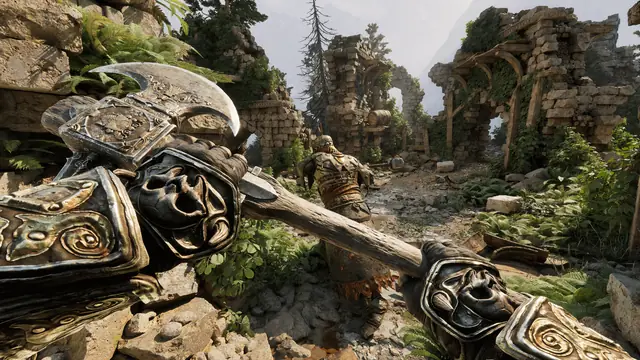
Fatekeeper gear choices should answer practical questions. Can this weapon punish safely? Does this armor protect without ruining movement? Does this spell create a real opening? Does this relic trigger often enough to matter?Pick one anchor weapon
Choose the weapon whose reach and recovery you understand best. Upgrade it before spreading resources across niche alternatives, because a familiar weapon makes every later build decision easier to evaluate.
Match armor to your mistakes
If you get clipped once per fight, moderate armor may be enough. If you constantly trade hits, heavier armor may hide a timing problem without solving it. If movement saves you, avoid gear that makes spacing feel late.
Use spells to cover a missing answer
A build that already wins melee trades may need a control spell more than another damage option. A light build may need interruption or range denial. A spell-focused build needs at least one low-risk tool for recovery windows.
Treat relics as behavior modifiers
The best relic is not always the rarest effect. Favor effects that trigger during your normal pattern: blocking, dodging late, casting after a stagger, exploring safely, or finishing a wounded enemy.
Troubleshooting
Adjust the Build After Deaths Without Starting Over
Deaths are useful data when you name the failure precisely. Change one variable at a time so you learn whether the problem was timing, terrain, gear weight, range, or resource use.| What keeps happening | Likely build problem | First adjustment |
|---|---|---|
| You die after landing a hit | Weapon recovery is too slow for your timing | Use shorter attacks, lighter weapon recovery, or wait for clearer punish windows |
| Groups overwhelm you | No crowd control or bad fight angle | Retreat to a doorway, add control magic, and stop fighting from open center space |
| You run out of spell options | Magic is doing every job | Add a reliable melee fallback and save casts for control or finishers |
| You survive but fights take too long | Damage or upgrade focus is too scattered | Upgrade the anchor weapon and stop rotating every new item immediately |
| Exploration drains resources | Build lacks consistency outside ideal fights | Favor moderate armor, reliable reach, and a reset tool before high-risk bonuses |
Avoid these
Build Mistakes That Create Bad Habits
Most weak builds fail because they try to look powerful before they are reliable. Keep the plan narrow enough to test, then specialize when the game has shown what your character cannot handle.Copying a meta before enough data exists
Fatekeeper Early Access can change. A build guide should explain decision rules instead of pretending one final meta has already been proven.
Changing everything after one death
Swap one variable first: weapon length, armor weight, spell use, or fight angle. Full rebuilds hide what actually fixed the problem.
Ignoring recovery and cast exposure
Big numbers matter less if the animation leaves you open. Judge every weapon and spell by what happens after you press the button.
Treating classes as labels only
A class-style path is useful only when it changes decisions. Heavy melee, agile precision, and spell control should feel different in timing, risk, and gear priority.
Sources and Next Reading
Use official sources for platform and release facts, then use this site's connected guides for build planning. This page supports the beginner guide instead of duplicating its first-hour route.
Fatekeeper Builds FAQ
What is the best Fatekeeper build for beginners?
The safest beginner build is balanced sword-and-sorcery: a reliable melee weapon, moderate armor, and magic used for control or safe openings rather than constant damage.
Does Fatekeeper have fixed classes?
This guide treats builds as class-style paths because official material emphasizes weapons, armor, artifacts, spells, progression, and reactive combat. It does not claim a fixed class list unless official or in-game sources confirm one.
Should I focus on melee or magic first?
Most players should learn melee spacing first and use magic to solve specific problems. A spell-focused build is viable when you understand cast exposure, resource pressure, and backup weapon needs.
When should I change my build?
Change the build when the same problem repeats across several fights. If one death came from a bad angle or panic swing, adjust tactics before rebuilding your character.
Is this a final Fatekeeper meta guide?
No. Fatekeeper is an Early Access game, so this page gives conservative build logic and should be updated as current in-game data, patches, and item details become clearer.
Are Fatekeeper classes, builds, and tier lists the same thing?
No. Classes describe a role, builds describe the weapon, armor, spell, relic, and attribute choices that support that role, and a tier list should wait for stronger Early Access balance data. This page focuses on reliable build decisions rather than claiming a final meta.